

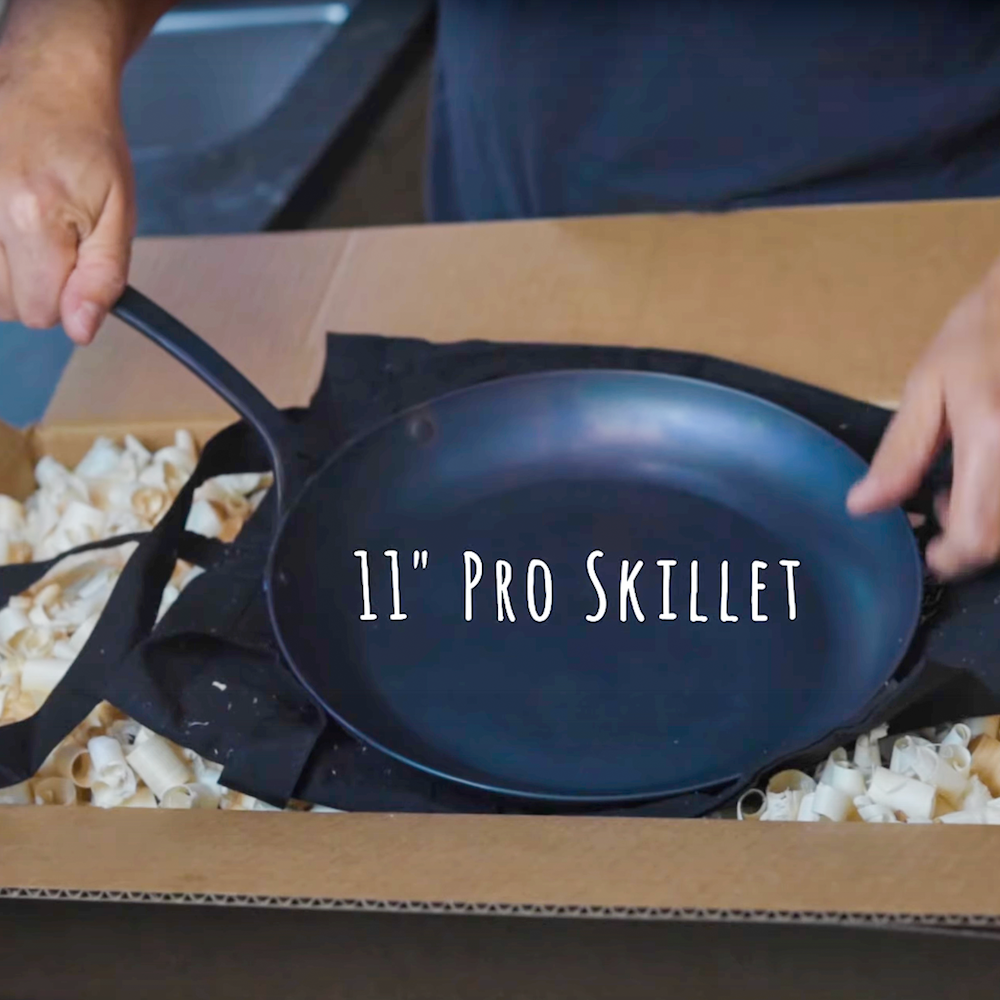

In the world of professional kitchens, tools are an extension of the craft. While stainless steel and cast iron often dominate the conversation, carbon steel is the "best-kept secret" of executive chefs. Combining the heat retention of cast iron with the responsiveness of stainless steel, carbon steel offers a unique culinary experience. Whether you are considering your first hand-crafted skillet or looking to upgrade your kitchen arsenal, understanding the benefits of this high-performance material is the first step toward mastering your heat.
1. A Natural, Chemical-Free Non-Stick Surface
Unlike traditional non-stick pans coated with synthetic materials like Teflon (PTFE or PFOA), carbon steel develops a natural non-stick surface through a process called polymerization.
As you cook with fats and oils, they bond to the steel, creating a slick, dark layer known as a patina. This seasoning doesn't just rival synthetic coatings; it improves over time. The more you use your pan, the more non-stick it becomes.
2. Superior Heat Responsiveness
One of the most significant advantages of carbon steel over cast iron is its responsiveness. While cast iron takes a long time to heat up and even longer to cool down, carbon steel reacts almost instantly to temperature adjustments on your stovetop. This precision is crucial for delicate tasks like searing scallops or preparing a French omelet, where a few seconds of excess heat can make the difference between perfection and overcooking.
3. Extreme High-Heat Tolerance
Carbon steel is designed to thrive under pressure. Because it lacks the fragile chemical coatings found in "modern" non-stick pans, you can use it at incredibly high temperatures without fear of releasing toxic fumes or damaging the surface. This makes it the ultimate tool for achieving a restaurant-quality sear on steaks or high-heat stir-frying.
4. Lightweight Durability
For many, the weight of cast iron is a barrier to daily use. Carbon steel offers a "best of both worlds" solution. It is significantly lighter and easier to maneuver, yet it remains virtually indestructible. A well-crafted carbon steel pan isn't just a purchase; it's an heirloom intended to last for generations.
5. Versatility: From Stovetop to Campfire
Carbon steel is the ultimate multi-tool. It is compatible with all heat sources, including:
-
Induction Cooktops
-
Gas and Electric Ranges
-
Ovens and Broilers
-
Open Flames and Grills
You can sear a protein on the stove and move it directly into a 500-degree oven to finish, a versatility that few other materials can match.
6. Enhanced Flavor Profile (The Maillard Reaction)
Because carbon steel can maintain high, even heat, it excels at the Maillard Reaction - the chemical reaction between amino acids and reducing sugars that gives browned food its distinctive flavor. The even heat distribution ensures that your crust is uniform, capturing those savory, caramelized notes that define professional-grade cooking.
7. Sustainable and Non-Toxic Cooking
Investing in carbon steel is a win for both your health and the environment. It is free from "Forever Chemicals" (PFAS), and its longevity means it won't end up in a landfill like short-lived, coated pans. By choosing carbon steel, you are opting for a sustainable kitchen lifecycle.
8. Simple, Easy Cleaning
Contrary to popular belief, carbon steel isn't difficult to clean, it’s just different. Because the surface is naturally non-stick once seasoned, food rarely bonds to the metal. In most cases, a quick rinse with hot water and a gentle wipe with a soft sponge or paper towel is all that’s required to return the pan to its original state.
Unlike stainless steel, which often requires aggressive scrubbing or harsh abrasives to remove stuck-on proteins, carbon steel rewards a "less is more" approach. This simplicity doesn't just save time at the sink; it preserves the layers of seasoning you’ve built up through cooking.
The "No Soap" Myth
You may have heard that you should never use soap on a seasoned pan, but this "rule" is largely a relic of the past. Back in the day, most household soaps were lye-based, which would indeed strip away a patina instantly. Modern dish soaps, however, are actually gentle detergents designed to break down surface grease without harming the polymerized oil bond of your seasoning. While a quick rinse with hot water is usually all you need, don't be afraid to use a drop of mild dish soap to get your pan truly clean; it won't hurt your seasoning one bit.
Carbon Steel vs. Other Materials at a Glance
| Feature | Carbon Steel | Cast Iron | Stainless Steel | Non-Stick (Coated) |
| Weight | Mid-Weight | Heavy | Light/Mid | Light |
| Non-Stick | Natural (Seasoned) | Natural (Seasoned) | No | Chemical |
| Heat Response | Fast | Slow | Fast | Fast |
| Durability | Lifetime | Lifetime | Lifetime | 1–3 Years |
Ready to Experience the Professional Standard?
At Blanc Creatives, we specialize in hand-crafted carbon steel that blends traditional craftsmanship with modern culinary performance.
-
Shop our Signature Cookware to start building your own patina.
-
New to the craft? Read our comprehensive Carbon Steel Care Guide to learn how to season and maintain your new favorite pan.

Leave a comment