seasoning


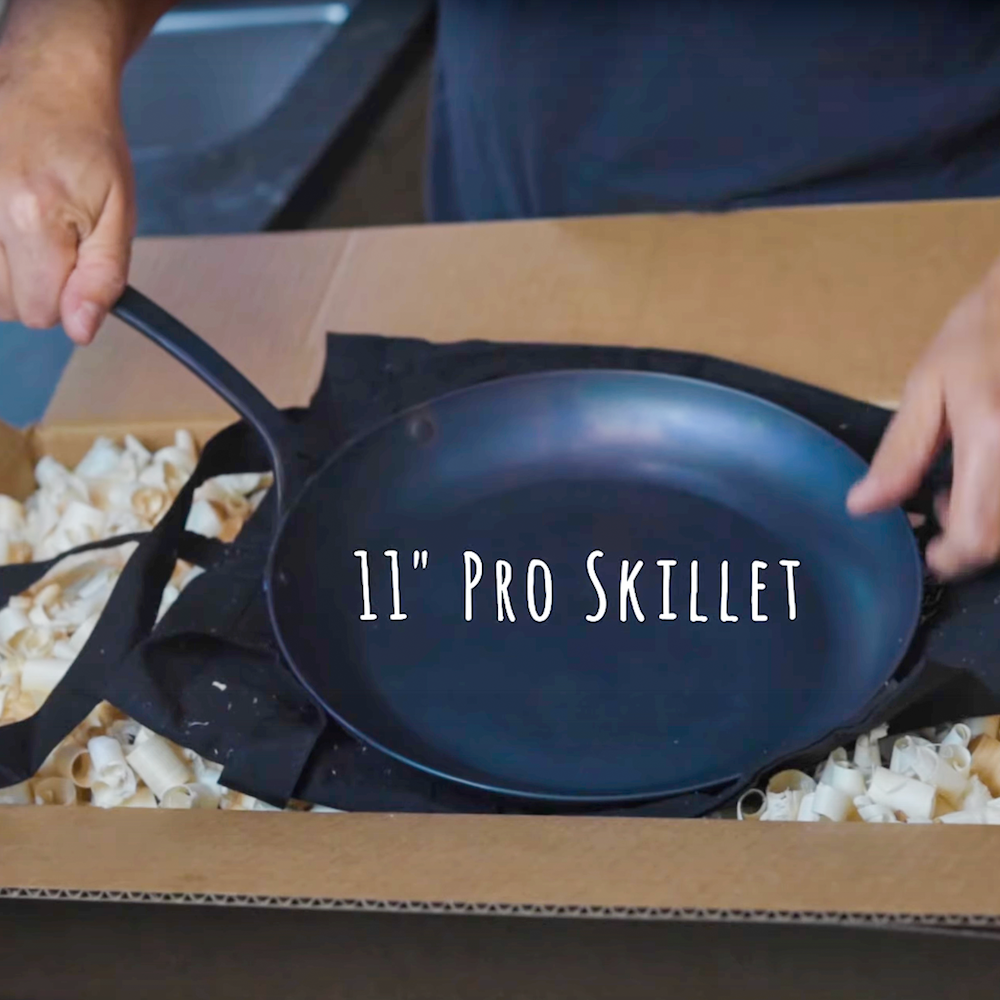
Carbon steel is a kitchen workhorse, prized for its ability to develop a naturally non-stick surface that rivals Teflon—but without the chemicals. This "magic" layer is called polymerization, a process where oils are heated until they bond into a hard, plastic-like coating.
However, during the "early phases" of your pan’s life, this bond is still maturing. While a well-aged pan can handle almost anything, certain ingredients can act as a solvent, stripping away your hard-earned seasoning. Here are the 8 culinary culprits to watch out for and how to maintain that heirloom-quality finish.
Acid is the primary enemy of young seasoning. It creates a chemical reaction that breaks the bond between the polymerized oil and the steel.
Deglazing a pan with lemon juice is a great culinary technique, but wait until your carbon steel seasoning has developed nicely. The citric acid is aggressive and will eat through thin layers of oil.

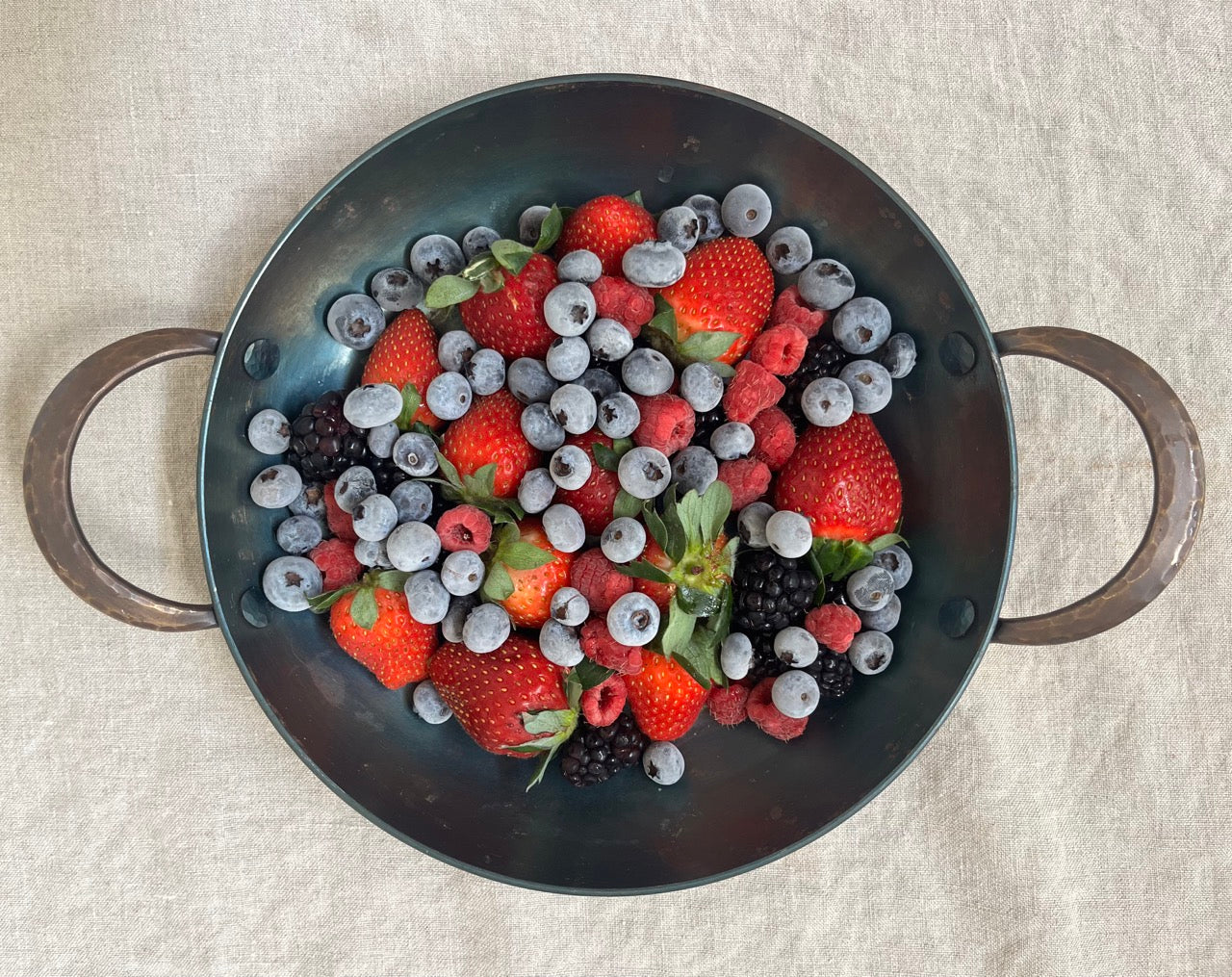
Cranberries, blueberries, and raspberries have a double-whammy effect: they are acidic and high in sugar. If left to bubble down into a jam or sauce, the sticky sugars can bond to the seasoning and peel it off when you clean the pan.

Balsamic, red wine, or apple cider vinegar are all potent acids. Avoid using your carbon steel for reduction sauces or pickling liquids until the seasoning is fully established.

Whether it’s a slow-simmered marinara or a quick splash of ketchup, tomatoes are highly acidic. Cooking them for more than a few minutes in a new pan will almost certainly result in a "silver" spot where the seasoning used to be.

White wine is notoriously acidic. While red wine is slightly less so, both contain sugars that can caramelize and "pull" at the seasoning as they reduce.

While high-acid ingredients are the usual suspects, they aren't the only things that can compromise your cookware’s finish. Some common kitchen staples—from sweet aromatics to fermented pantry items—can be deceptively aggressive toward a young patina. These "hidden saboteurs" don't always use acid to do their work; instead, they often rely on high sugar content or complex fermentation processes to soften and lift the polymerized oil from the steel surface.
Onions aren't inherently acidic, but the long, slow process of caramelization releases sugars and moisture that can soften the seasoning layer if the pan hasn't reached its "black" stage.

The fermentation process creates lactic acid. While less aggressive than vinegar, simmering a creamy, yogurt-based curry can dull the luster of a fresh seasoning.

Sauerkraut, kimchi, and pickles are submerged in brine. That combination of salt and acid is the perfect recipe for stripping oil.

Don't panic. One of the most rewarding aspects of owning a carbon steel pan is its nearly indestructible nature. Unlike synthetic non-stick coatings that are ruined once they chip or scratch, carbon steel is a living surface. If you accidentally strip a patch of seasoning, you haven't damaged the tool; you’ve simply cleared the way for a fresh layer. Think of it as a reset button rather than a permanent setback. With a little bit of heat and oil, you can simply re-season to restore that dark, non-stick patina in a single afternoon. For detailed instructions, check out our Carbon Steel Care Guide.
We recommend waiting until your pan has a deep, dark patina (usually after 3–6 months of regular use). Even then, keep the cook time under 15 minutes.
Silver patches mean the raw steel is exposed. This is usually caused by acidic foods or over-aggressive scrubbing. It's time for a quick re-seasoning!
Not at all. Unlike non-stick coatings that can flake off, carbon steel seasoning is just baked-on oil. If it strips, it might affect the taste of your food slightly (a metallic "twang"), but it is perfectly safe.
Want to ensure your pan lasts for generations? Check out our complete Carbon Steel Care Guide for deep dives into forging, seasoning, and maintenance.
